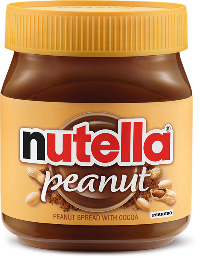

PALM OIL
Nutella® contains palm oil because it is the best option to ensure that the product has the right texture and structure, and because it does not interfere with the characteristic taste of the other ingredients. Most importantly, it does not go through the hydrogenation process, which produces “trans fats” that have been recognized by the authorities and the scientific world as particularly harmful to health. Many other oils would need to be submitted to hydrogenation to create the consistency necessary for our recipe.
Yes, Nutella® is completely safe to eat. The health and well-being of consumers is an absolute priority for Ferrero.
No. The vegetable oil contained in Nutella® is palm oil, which is naturally extracted from the palm fruit and gives our spread its creamy texture. For this reason, the product does not have to undergo a hydrogenation process responsible for the formation of “trans fats”, which are considered particularly unhealthy by both authorities and the scientific community.
Contrary to some views it is not correct to state that palm oil is detrimental to human health. Ferrero has always paid great attention to both the quality of its products and its raw materials. Palm oil is used essentially for its natural origin, its structure is ideal for confectionery products and spreads, making the usage of hydrogenated fats unnecessary. Palm oil has been used in human nutrition for thousands of years. Many scientific studies corroborate the neutrality of palm oil effects on a metabolism within a balanced diet.